

Best Moving Average Strategy Forex
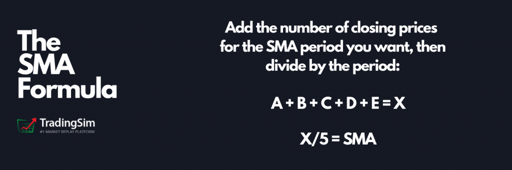
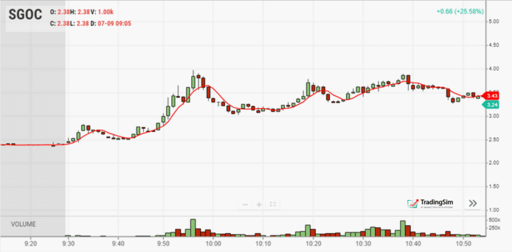
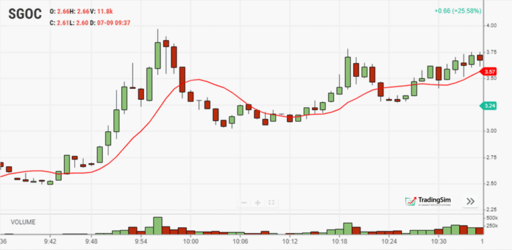
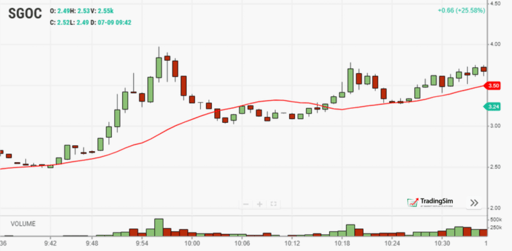
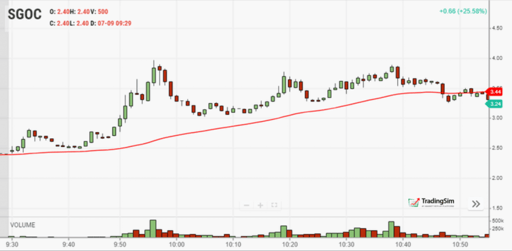
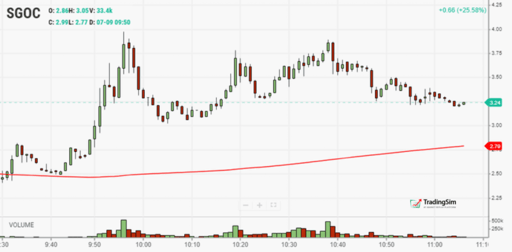
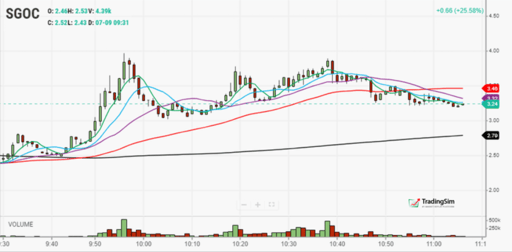
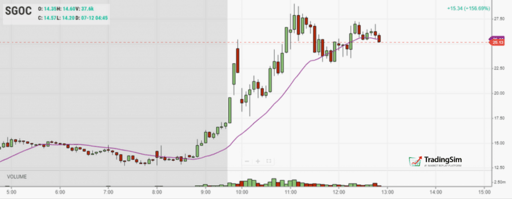
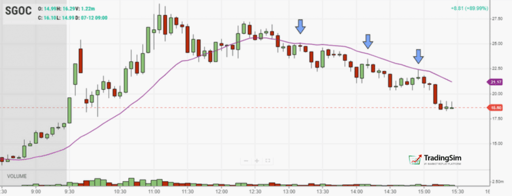
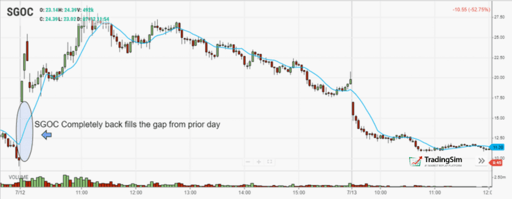
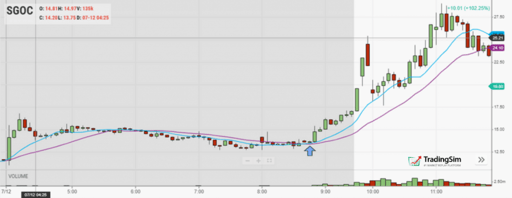
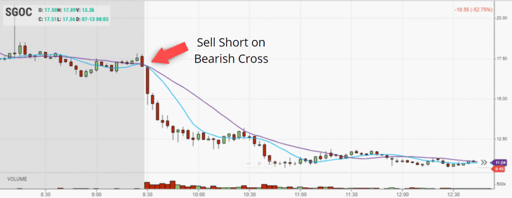
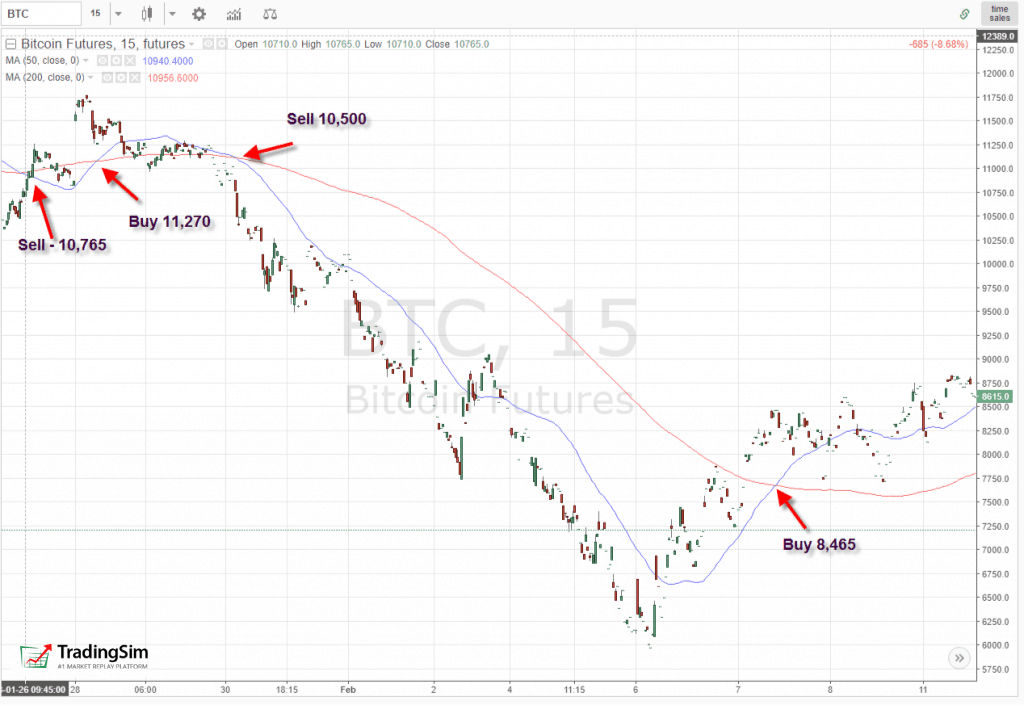
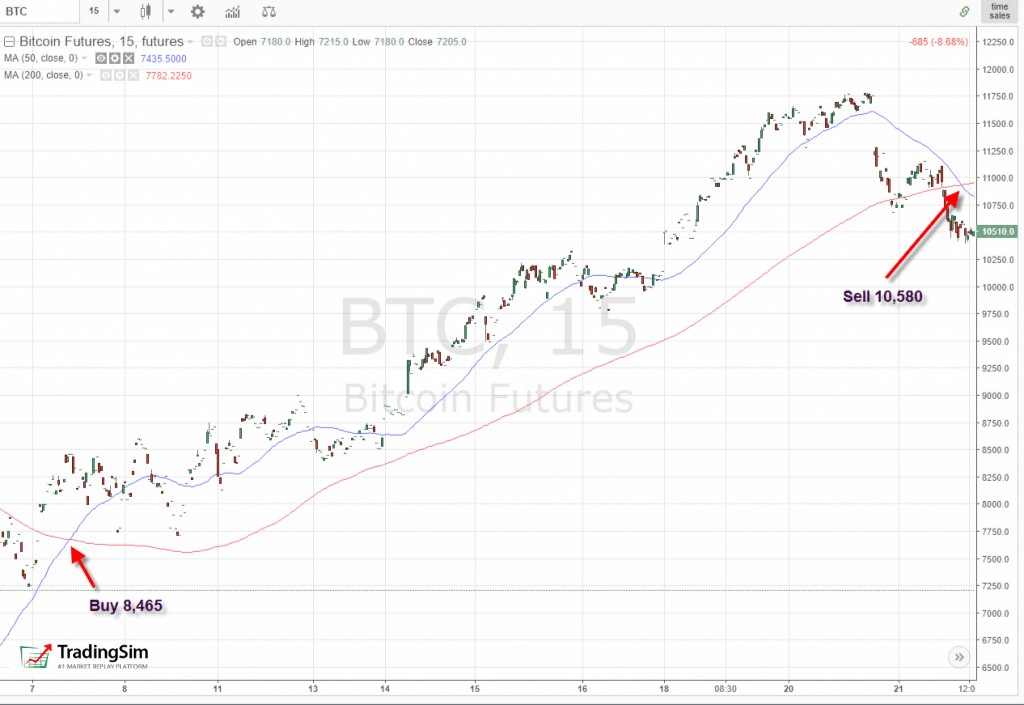
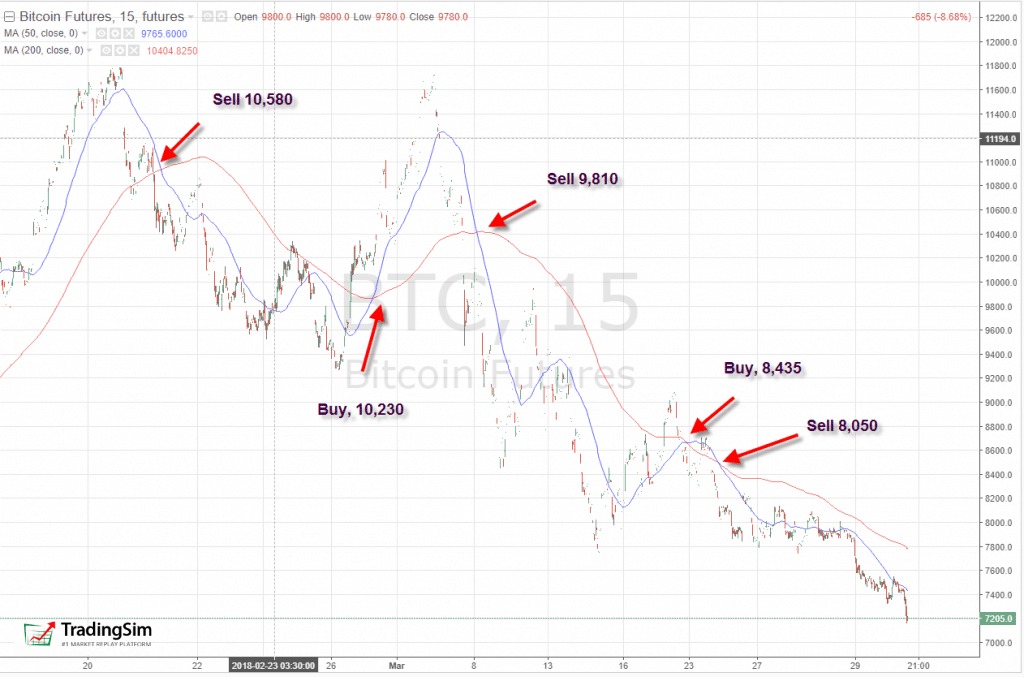
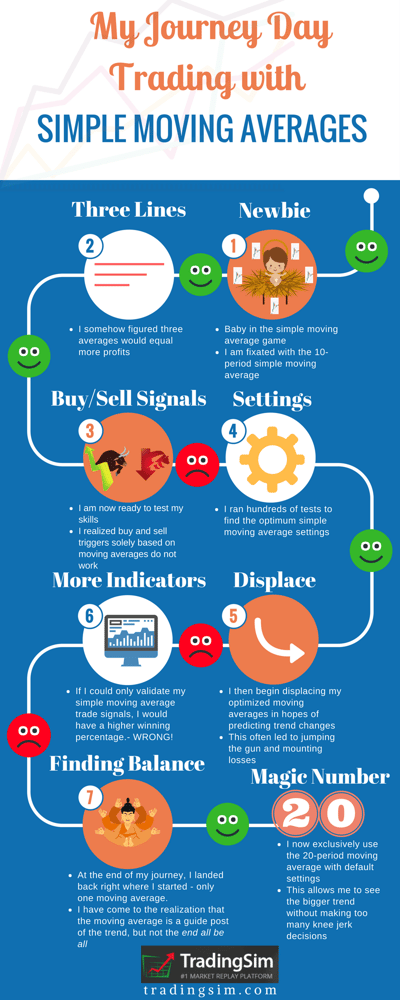
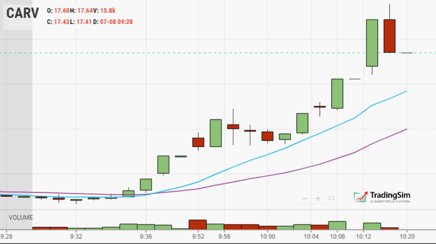
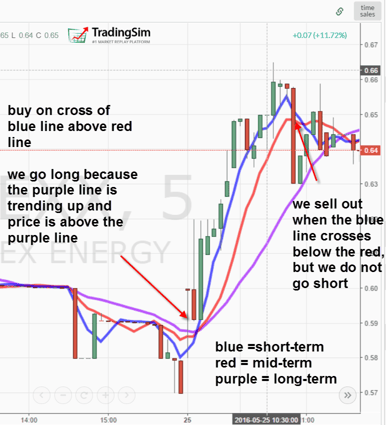
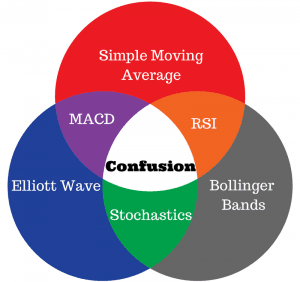
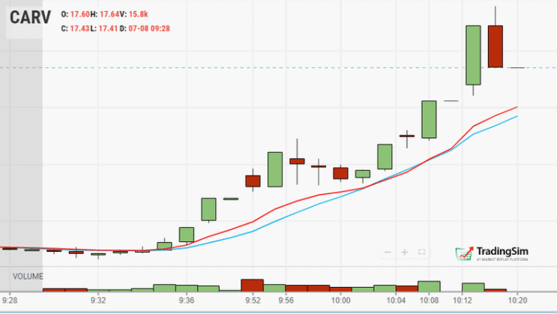
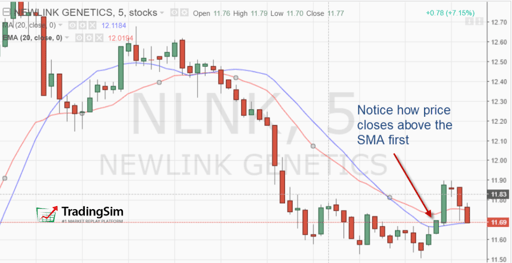
Before you dive into the content, bank check out this video on moving boilerplate crossover strategies. You'll likewise learn how the SMA is formed. The video is a cracking precursor to the advanced topics detailed in this commodity. Why the simple moving average? Once you begin to peel back the onion, the SMA might be simple to summate, but isn't equally simple to trade. Not surprisingly, the elementary moving boilerplate is a popular technical indicator. Perhaps the most popular indicator in all of trading. But like most indicators, information technology isn't a cure-all for trading. If yous're familiar with the indicator, information technology isn't so difficult to see why it can exist challenging to merchandise with simple moving averages. After all, but a quick Google search volition turn upwards dozens of day trading strategies. Just how do we know which ones will work? That is our goal in this post — to show y'all everything yous demand to know about unproblematic moving averages. We'll comprehend various trade examples, charts, and videos. In addition, we'll comprehend the simple moving average formula, pop moving averages (v, 10, 200), real-life examples, crossover strategies, and personal experience with the indicator. By and then stop, you should exist able to identify the system that will piece of work all-time for your trading style. The uncomplicated moving boilerplate formula is the average closing price of a security over the terminal "x" periods. Calculating the SMA is non something limited to technical assay of securities. This formula is also a fundamental tenet to applied science and mathematical studies. To that end, this detailed article from Wikipedia [i] delves into formulas for the unproblematic moving boilerplate, cumulative moving average, weighted moving average, and exponential moving average. Let'south look at a simple moving boilerplate formula example. The last 5 closing prices for XYZ stock are: 28.93+28.48+28.44+28.91+28.48 = 143.24 Quite but to calculate the elementary moving average formula, you split the full of the closing prices past the number of periods. 5-twenty-four hours SMA = 143.24/five = 28.65 As you can see, the SMA is merely simple math. In fact, every indicator is based on math. However, the SMA is not a proprietary adding with trademark requirements. It is simple improver and sectionalization, for the entire world to share. Theoretically there is an infinite number of uncomplicated moving averages. In fact, some traders like to throw a myriad of these averages onto the charts in an SMA "cloud." This may piece of work for some traders. However, more often than not speaking, the more pop indicators will piece of work amend for you. It is critical to utilize the virtually common SMAs every bit these are the ones many other traders will be using daily. Along those lines, we do not advocate you following the crowd. All the same, information technology is essential to know what other traders are looking at for clues. According to Toni Turner, author of the A Beginner's Guide to Day Trading Online, the major popular moving averages used past most traders are the x, 20, fifty, 100 and 200. [2] The 5 – SMA – For the hyper trader. The shorter the SMA, the more signals you will receive when trading. The best way to utilize a five-SMA is as a trade trigger in conjunction with a longer SMA period. The 10 – SMA – pop with curt-term traders; great for swing traders and day traders. Mark the difference between the 5SMA shown above and the 10SMA shown below on the same chart. The xx – SMA – the last terminate on the bus for curt-term traders. Beyond the 20SMA, you are looking at primary trends. The l – SMA – used by traders to judge mid-term trends. The 200 – SMA – welcome to the world of long-term tendency followers. Most investors will expect for a cross in a higher place or beneath this average to represent if the stock is in a bullish or bearish trend. And just for the sake of visualizing their differences, let'due south compile all 5 onto one chart. This style you can see how they stand for a multitude of time-frames and trading styles: Every bit you tin can see, a nautical chart can get busy quickly with too many indicators. Only this gives you an idea of how to properly view the about popular uncomplicated moving averages. Now that yous tin can see the foundation of how the SMA is formed, information technology is time to put together some basic strategies and rules. In general, y'all'll find ii overarching criteria for trading the SMA. Either join the primary tendency, or fade information technology. In other words, trading the front side or back side of the trade. Allow'south wait at some of these rules in depth and the accompanying examples. Below is a play-past-play for using a moving average on an intraday nautical chart. In the example, we will cover staying on the right side of the trend after placing a long trade. Recently, SGOC had a breakout effectually midday and continued to push higher. A breakout trader would use this as an opportunity to jump on the train and place their stop below the low of the consolidation. We discuss this setup in our mail on Volatility Wrinkle Patterns. At this indicate, you tin can use the moving average to estimate the strength of the current trend created during the opening range or VCP pattern. In this nautical chart instance, we are using the 10-period and 20-period simple moving average. Now looking at the chart above, how do y'all remember you would have known to sell at the $12.30 level using the simple moving average? What'southward the magic formula? In all honesty, yous wouldn't have a clue. Far too many traders have tried to use the elementary moving boilerplate to predict the exact sell and buy points on a chart. A trader might be able to pull this off using multiple averages for triggers, just ane average alone volition not be enough. To that point, save yourself the time and headache and use the averages to decide the strength of the move, not proper buy and exits. Now accept another look at the nautical chart pattern below. Do you lot see how the stock is starting to rollover as the boilerplate is outset to flatten out? A breakout trader would want to stay away from this type of activity. At present over again, if you were to sell on the cantankerous down through the average, this may work some of the fourth dimension. Just in the long run, you'll likely stop up losing money. Why would you lot lose money? Because the bulk of the time, a break of the uncomplicated moving average just leads to choppy trading activity. Remember, if trading were that easy, everyone would be making money mitt over fist. Take this chart of AAPL as an example of the chop you might expect. Next, allow'due south take another expect at the elementary moving boilerplate and the primary trend. This is often referred to as the holy grail setup, popularized past Market Wizard Linda Raschke. Maybe you've seen this strategy in books and seminars. Essentially, y'all purchase on the breakout of a pullback to the 20sma. Sell when the stock crosses downwardly beneath the price activity. Beneath is an intraday nautical chart of Apple. Look at how the toll nautical chart stays cleanly above the twenty-period simple moving average. Isn't that a beautiful chart? You purchase on the original breakout at $144 and sell on the close at $144.lx. A quick $0.65 turn a profit in one day and yous didn't to do much for information technology. Some other elementary moving boilerplate trading strategy is to go counter to the tendency. Believe it or non, i of the higher probability plays is to go counter to farthermost gap moves. Regardless of the fourth dimension in history, (60s apartment line, tardily 90s nail, or volatility of the 2000s), it'due south a prophylactic assumption that gaps will fill up l% of the fourth dimension. Then, off the bat no affair how new you lot are to trading, you at least have a 50% shot of being on the right side of the trade using this approach. But remember this: another validation a trader tin use when going counter to the main trend is a close under or over the simple moving average. In the example below, SGOC had a solid gap of approximately xl%. After the gap, the stock trended upward strongly. There is one caveat: you must be careful with countertrade setups.If you are on the wrong side of the trade, you and others with the same position will be the fuel for the side by side leg up. Thankfully that wasn't the instance with SGOC. Allow's fast forward a few hours on the nautical chart. Whenever yous go brusque, and the stock does little to recover and the volatility dries up, you are usually in a good spot. Notice how SGOC continued lower throughout the solar day; unable to put upward a fight. Now let's spring frontward ane day. Guess what happened? You got it, the gap filled. Moving averages by themselves can give you a peachy roadmap for trading the markets. Only what about moving boilerplate crossovers as a trigger for inbound and endmost trades? When considering this, you need to understand that the moving average by itself is a lagging indicator. If you layer in the idea that yous take to look for a lagging indicator to cross another lagging indicator, in that location is an obvious delay. If you look effectually the web, the most popular uncomplicated moving averages to employ with a crossover strategy are the 50 and 200 smas. When the 50-uncomplicated moving boilerplate crosses above the 200-uncomplicated moving average, it generates a golden cross. Conversely, when the 50-simple moving average crosses beneath the 200-uncomplicated moving average, information technology creates a death cross. These two strategies are specially applicable for long-term investing. Still, they can exist modified for daytrading. We'll run through some basic daytrading crossover strategies. In order to 24-hour interval merchandise crossover, the first decision you have to make is to select two moving averages that are somehow related to ane another. For example, 10 is half of 20. Or, the 50 and 200 are the nearly popular moving averages for longer-term investors. Or, taking the 20 and fifty as near and intermediate term indicators. The second matter of importance is coming to understand the trigger for trading with moving average crossovers. A buy or sell signal is triggered once the smaller moving boilerplate crosses above or below the larger moving boilerplate, respectively. In the below charting case of SGOC from vii/12/2021, the 10-catamenia SMA crossed above the 20-flow SMA. Afterward that, you will notice that the stock had a nice intraday run from $13.61 upwards to $29.05. Isn't that merely a beautiful nautical chart? The x-flow SMA is the blue line, and the majestic is the 20-period. In this case, you would have bought once the cerise line closed above the blue which would have given you an entry indicate slightly above $13.80. Permit's wait when a sell action is triggered. In this example, a sell action was triggered when the stock gapped down the next morning. At present in both examples, you will notice how the stock conveniently went in the desired direction with very little friction. This won't ever exist the instance. If yous wait at moving average crossovers on any symbol, yous volition notice more than false and sideways signals than high return ones. This is because most of the time stocks move in a random design. Think this: information technology is the job of the large money players to fake yous out at every plough to separate you from your money. With the ascent of hedge funds and automated trading systems, for every clean crossover play y'all notice, you'll probably run across another dozen or more that don't play out well. For this reason, you need to have a firm understanding of candlestick patterns and price and volume assay to ostend your moving boilerplate strategies. If you accept been looking at cryptocurrencies any time in the final few years, you are more than than aware of the violent price swings. With this in listen, we decided to do a case written report to respond a few questions. Are there whatsoever indicators that tin requite a trader an edge, or is Bitcoin so volatile that, in the end, everyone loses at some point if y'all endeavour to actively merchandise the contract? We decided to run across how the SMA would concord upwards against Bitcoin. For this written report, we are using the golden cantankerous and expiry cross strategies, which consists of the 50-period and 200-menstruum unproblematic moving averages. For those of y'all not familiar with these strategies, the goal is to buy when the 50-period crosses in a higher place the 200-period and sell when it crosses beneath. To brand things more than interesting, the study will cover the 15-infinitesimal time frame then that we tin go more than signals. The study starts on Jan 26th, 2018 and runs through March 29th, 2018. As you tin can imagine, in that location are a ton of purchase and sell points on the chart. To exist clear, we are not advocates for staying in the market all the time. You can become crushed during long periods of low volatility. The gilded cross/death cross strategies on a 15-minute chart generated several trade signals in a little under ii weeks. The offset trade was a short at 10,765, which we afterwards covered for a loss at xi,270. Herein lies the problem with crossover strategies. If the marketplace is choppy, yous may suffer from "death by a grand cuts." Thankfully the 2nd signal produced a massive brusk trade from ten,500 downwardly to 8,465. That movement down is cute, and you would have reaped a huge reward, just what is not reflected on this nautical chart are the whipsaw trades that occurred before this particular twenty-four hours. Do y'all call back you lot have had what it takes to make every trade regardless of how many losers you would take encountered? The other telling fact is that on the second position you would have exited the trade two,450 points off the lesser. Herein lies the second challenge of trading with lagging indicators on a volatile event. By the fourth dimension you get the trade point, you could be showing up to the political party tardily. The adjacent motility upwards is ane that makes every 18-twelvemonth-former kid believe they have a future in solar day trading – simply fire and forget. More than Trade Signals After this sell bespeak, bitcoin had several merchandise signals leading into March 29th, which are illustrated in the below nautical chart. Detect how bitcoin is not also choppy, merely the gains/losses are pocket-size. If yous get through weeks of trading results like this, it may become difficult to execute your trading approach flawlessly. Giving up all of those gains, tin make you feel beaten down. Nevertheless, due to the volatility of bitcoin, it's credible that your gainers are far larger than the losers. Much to our surprise, a unproblematic moving boilerplate allows bitcoin to go through its wild price swings, while still allowing you the ability to stay in your winning position. The below infographic visualizes the details of this case study. Now that you accept all the nuts, I'd like to walk you through my experience day trading with simple moving averages. You could be saying to yourself, "Why do I care most this guy's experience? Mine will exist different?" In theory, yes, only there are likely parallels between our paths, and I can hopefully assistance y'all avoid some of my mistakes. Information technology was jump 2007, and I was just starting in day trading. In my mind, volume and moving averages were all I needed to keep me safe when trading. I read all the books and browsed tons of articles on the web from top "gurus" well-nigh technical analysis. From what I could run across, price respected the x-period moving average "all" the fourth dimension. I didn't sympathise at this betoken that you lot run into what yous want to in charts, and that, for every winning example, in that location are likely dozens that will neglect. If the stock closed below the simple moving average and I was long, I thought I should await to get out. But, if the stock could stay higher up the boilerplate, I should just concord my position and let the money menstruation to me. Allow's walk through a few chart examples to go a experience for my delusions of grandeur. I saw hundreds, and I mean hundreds of charts with this design. The pattern I was fixated on was a cantankerous above the 10-period moving boilerplate and then a rally to the moon. I remember feeling such excitement of how easy it was going to be to make coin day trading this simple design. Now, shifting gears for a 2d; anyone that knows me knows that I have a potent analytical listen. I love review numbers and and then run them all over again to make sure everything nets out. Hence my 2d phase on this journey. By the summer of 2007, I am placing some trades and trying different systems, but null with great success. I continue using the 10-period unproblematic moving boilerplate, but in conjunction with Bollinger Bands and a few other indicators. Information technology's non quite a "spaghetti nautical chart" just yet, but it'south definitely a little busy. So, afterwards reviewing my trades, I, of course, came to the realization that one moving boilerplate is not enough on the nautical chart. The need to put more indicators on a chart is almost always the incorrect answer for traders, but we must go through this procedure to come out of the other side. I felt that if I combined a brusk-term, mid-term and long-term simple moving average, I could quickly validate each signal. To that terminate, I would use the curt-term to pull the trigger when it crossed higher up or below the mid-term line. The long-term line I would apply to ensure I was on the right side of the trend. Did that just confuse you a little? Allow'south illustrate this strategy on the chart. In the above case, the blue line is a five-period SMA, the scarlet line is a 10-menses SMA, and the imperial line is a 20-period SMA. You are welcome to employ whatsoever setting that works best for y'all. The point is that each moving average should be a multiple or two from one another to avoid anarchy on the chart. I used the shortest SMA as my trigger average. When it crossed higher up or below the mid-term line, I would have a potential merchandise. The sign I needed to pull the trigger was if the toll was above or beneath the long-term moving average. Going back to the nautical chart, the first purchase signal came when the blue line crossed in a higher place the red while the price was above the royal line. This would have given united states of america a valid buy signal. Then after a nice profit, once the short line crossed below the red line, it was our time to get out. Did this mean we should have gone short? No. Observe that the toll was still above the regal line (long-term), and so no brusque position should have been taken. The majestic (long-term) prevents the states from always being in a long or short position like in the cryptocurrency example study mentioned earlier. Looking back many years later, it sounds a bit confusing, but I do have to compliment myself on only having some semblance of a organisation. How practise you think this all played out? Don't worry; I'm going to tell you lot now. At this point of my journey, I feel I am still in a skillful identify. It's around late summer at this point, and I was set to roll out my new system of using 3 elementary moving averages. It became apparent to me rather quickly that this was much harder than I had originally predictable. Starting time off, it was tough trying to figure out which stocks to pick. In one case I landed on trading volatile stocks, they either gave false entry signals or did non trend all solar day. This level of rejection from the market place cutting deeply. I remember staring at the screen thinking, "Why is this not working?" Charts began to look like the 1 below, and at that place was nothing I could do to forbid this from happening. What do you think I did next? That's right, my analytical side kicked in, and I needed to review more than information. Anyone that has been trading for longer than a few months using indicators has probable started tinkering with the settings. Well, I took that concept to an entirely different level. I was using TradeStation at the time trading US equities, and I began to run combinations of every time flow you lot can imagine. I would then run TradeStation's report optimizer to meet how things would have worked out. Here are a few examples of just a few crazy settings I tried: Every bit you can see, these were desperate times. I was running all sorts of combinations until I felt I landed on 1 that had decent results. At present, i indicate to notation, I was running these results on i stock at a fourth dimension. The goal was to find an Apple or another high-book security I could trade all day using these signals to plow a turn a profit. Similar to my try to add three moving averages afterward first settling with the ten-menses as my boilerplate of choice, I did the same matter of needing to add more validation checks this fourth dimension likewise. Instead of just moving forward with the settings I had discovered based on historical data (which is useless the very next mean solar day, because the marketplace never repeats itself), I wanted to outsmart the market yet again. My path to this trading edge was to displace the optimized moving averages. This must be painful to read; it surely is painful for me to relive this experience. It's important to notation that I was feeling pretty good subsequently all this analysis. I felt that I had addressed my shortcomings and displacing the averages was going to take me to the elite level. For those of you not familiar with displaced moving averages, it'due south a ways for moving the average before or afterward the price action. You can get-go the number of periods higher to give the stock a little more than wiggle room. Conversely, you lot can become negative on the offset to try and spring the trend. I'm non going to belabor the concept in this commodity, though, every bit the focus of this give-and-take is effectually elementary moving boilerplate trading strategies. The point is, I felt that using the averages as a predictive tool would further increase the accuracy of my signals. This manner I could leap into a trade before the breakout or go out a winner correct before it fell off the cliff. To illustrate this point, check out this nautical chart instance where I would use the same uncomplicated moving average elapsing, simply I would displace one of the averages to spring the trend. The reality is that I would jump into trades that would never materialize or go out winners too soon before the real pop. This, of course, left me feeling completely broken and lost. I don't say that lightly. I hateful the feeling of despair was so real; you feel like quitting, to be honest. I think this feeling of utter disgust and wanting to never recall nigh trading again is part of the journey to consistent profits. Going back to my journey, at this bespeak information technology was late fall, early winter and I was just washed with moving averages. Technical indicators and systems lead to more indicators to attempt and cleft the always-elusive stock market. This is the awful expletive of technical analysis. I too roughshod victim to this horrible symptom of pain from the markets. This was by far my darkest menstruum of the journey with moving averages. Not regarding losses, just only in feeling lost with my trading arrangement and overall conviction. I would endeavour ane organization i day and then abandon it for the next hot arrangement. This process went on for years as I kept searching for what would work consistently regardless of the market place. This included me trying every indicator from Bollinger Bands, MACD, slow stochastics – you name it, I tried it. If you get anything out of this article, do non make the same mistake I did with years of worthless analysis. You will make some traction, merely it's a far better use of your time to zone in on yourself and how you perceive the market. Subsequently many years of trading, I have landed on the 20-flow simple moving boilerplate. At times I will fluctuate between the simple and exponential, simply twenty is my number. This is considering I have progressed as a trader from not only a breakout trader simply too a pullback trader. I use the 20-period moving average to approximate market management, just not as a trigger for buying or selling. It all comes downward to my ability to size up how a stock is trading in and around the average. At times a stock volition crack right through the average, just I don't panic that a sell-off is looming. I just wait and see how the stock performs at this level. It'south funny to think that I have substantially reverted to exactly what I was looking at over ten years ago – i boilerplate. You may ask "Are you lot upset that information technology took you this long to come to this decision?" Absolutely non. It wasn't all death and gloom forth the way, and the simple moving average is just one component of my trading toolkit. In other words, mastering the uncomplicated moving average was not going to make or break me every bit a trader. Still, understanding how to properly use this technical indicator has positioned me to make consistent profits. There are three disadvantages that come up to mind for me when trading with simple moving averages. The starting time 2 have niggling to do with trading or technicals. Both disadvantages deal with the mental attribute of trading, which is where about traders struggle. The problem is rarely your arrangement. This is something I touched on briefly before in this article, substantially with a lagging indicator, you lot will never become out at the top or bottom. Thinking back to our cryptocurrency example, there were times where nosotros left over 10% or more in paper profits on the tabular array considering we did non exit the position until the SMA cantankerous. You lot might be thinking, well if we brand coin that is all that matters. And that's true, if only your encephalon worked that manner. Yous could autumn into the trap of doing look backs on your trading activity and languishing at all the loss revenue from exiting too early on. How practise you lot fight this demon? How do you let go of the potential that never was meant to exist? The more than results yous have for your trading system, the more you lot'll exist willing to trust it, despite the drawdowns. Otherwise, you try to let go. You stop obsessing about what yous did non receive and start being thankful for what you have. The other very real disadvantage is the abdominal fortitude required to let your winners run. Y'all are going to experience all kinds of emotions that are telling you to just exit the position. Or that you have fabricated plenty. Or that the pullback is going to come up, and you will end up giving back many of the gains. Y'all must find some mode of simply charging through all of that and letting the security do the hard piece of work for you. We accept been conditioned our entire lives to ever work difficult towards something. The market place is a lot like sports. A lot of the hard work is washed at practice, non during game fourth dimension. When you are in a winner, yous must allow them run. The obvious os of contention is the amount of lag for moving averages. This becomes fifty-fifty more apparent when you talk nearly longer moving averages. In this Forbes article, 'If You Want to Time the Marketplace, Ignore Moving Averages', Michael Cannivet highlights the effect with using moving averages [4]. First, Cannivet points to a study by Meb Faber. Accoriding to the study of Cambria Investment Direction from 1901 to 2012, exiting stocks when the S&P 500 closed below its 200-day moving average, "would have more than than doubled your ultimate returns – and cut your risks by at least a 3rd" [5]. Nevertheless, Cannivet highlights that if hedge fund managers bought when the S&P 500 SPDR ETF airtight higher up its 200-day moving average and shorted when it closed below its 200-24-hour interval moving boilerplate, this would have net a loss of 20.iv% from the menses of June 2014 to June 6, 2019. The takeaway here is to utilise the longer averages to guess if a stock is in a bullish or surly tendency. Yet, with the pace of trading in today's environment, realize the lag can prove detrimental to your lesser line. We would exist remiss not to discuss this, every bit the comparison of the simple moving boilerplate to the exponential moving boilerplate is a common question in the trading customs. The formula for the exponential moving boilerplate is more than complicated every bit the elementary simply considers the last number of closing prices across a specified range. The exponential moving average, even so, adjusts as information technology moves to a greater degree based on the price activeness. To acquire more virtually the exponential moving average and its calculations, please visit our article – 'Why Professional Traders Prefer Using the Exponential Moving Average'. Now shifting our focus back to the comparison of the two averages, the bottom line is the exponential moving average will stay closer to the price action, while the elementary moving average has a slower/smoothed arc. To see an actual example of how the formulas differ, cheque out this article from dummies.com.[vi] It is going to come downwardly to your preference. If you like make clean charts, stick to the simple moving boilerplate. If yous feel that you demand to try and capture more of your gains, while realizing yous may be shaken out of perfectly good trades- the exponential moving average will suit you better. Beneath is a charting example that illustrates how each boilerplate responds to price. Are you able to guess which line is the exponential moving average? If it's not obvious, the red line is the EMA. Yous can tell because even though the SMA and EMA are set to ten, the ruby line hugs the price action a little tighter as it makes its fashion up. As you can see from the nautical chart, the difference in the values isn't very dramatic. The toll will ultimately respect the line in the same way whether you are using the SMA or EMA. The but time there is a divergence is when the price breaks. What's slightly confusing is that when the price does intermission, it will likely penetrate the SMA first. This is because the SMA is slower to react to the price motility and if things take been trending college for a long period of time, the SMA will accept a higher value than the EMA. I know that sounds a bit confusing so let's look at a different chart instance. As you can see, the EMA (red line) hugs the price action as the stock sells off. Just then something happens as the price flattens. The slower SMA is weighing all the closing prices equally. Therefore, information technology continues to decline at a faster rate. Conversely, the EMA accounts for the most contempo toll movement and begins to climb upwards pulling away from the stock'southward toll every bit it is in a bottoming formation. This pulling away by the EMA ultimately results in price breaking the EMA after a close above the SMA. So, you may be asking yourself, "Well when will the EMA go me out faster?" The respond to that question is when a stock goes parabolic. The EMA volition stop y'all out first considering a sharp reversal in a parabolic stock will non have the lengthy bottoming germination as depicted in the terminal chart example. Hopefully by now you empathize that the simple moving average is not an indicator yous can use as a standalone trigger. That doesn't mean that the indicator tin't be a peachy tool for monitoring the management of a trend or helping y'all decide when the market is getting tired after an impulsive move. Call up of the SMA as a compass. Route signs, if yous will. If y'all want detailed coordinates, you volition need other tools, only you at least have an thought of where y'all are headed. With that in listen, here are the iv key points to recollect when trading with SMAs: Hopefully we've helped with your understanding of how simple moving averages work. Like with whatsoever strategy, nosotros hope you lot'll test them out in a simulator earlier putting real money to piece of work. Best of luck, and hither's to expert fills!
SMA Trading Strategies Video Tutorial
The SMA – Not E'er And so Simple
Unproblematic Moving Boilerplate Formula
Example
Pop Elementary Moving Averages
Examples of the More than Popular SMAS
SMA Trading Basics
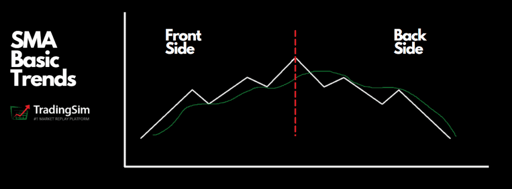
Longing the Primary Trend
Fading the Primary Tendency
Strategy #1 – Example of going long with the principal trend
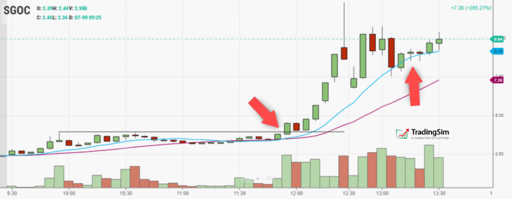
Simple Moving Average – When to Sell
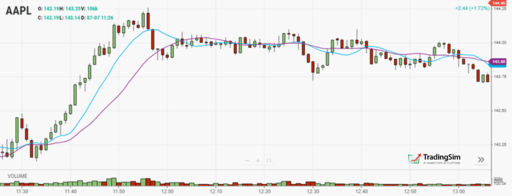
The Holy Grail Setup
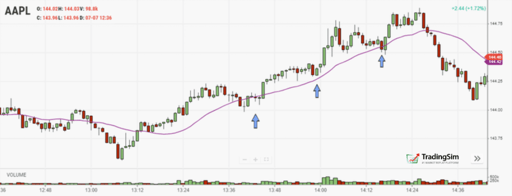
Strategy #2 – Case of going confronting the primary trend
Strategy #3 – Simple Moving Average Crossover
24-hour interval Trading Moving Average Crossovers
Two Unproblematic Moving Average Crossover Strategies
1. Buying on a Cross Up
2. Selling a Cross Down
Simple Moving Boilerplate Trading Strategy Case Study Using Cryptocurrencies
Volition y'all Take Every Merchandise?
Kickoff Trade Indicate
2nd Trade Indicate
Yous Will Always Experience Similar You Were Sold a Lemon
Tertiary Trade Signal
In Summary

My Personal Journey Day Trading Unproblematic Moving Averages
#i – Newbie
Case
#2 – Three Lines

Example
#3 – Purchase and Sell Signals
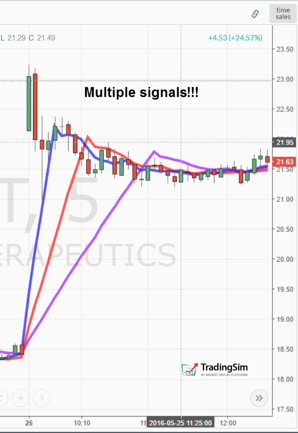
#4 Settings
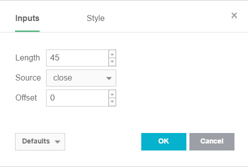
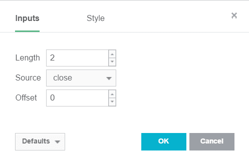
#five Readapt
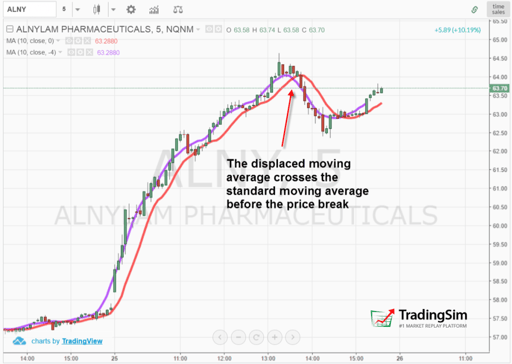
#six More Indicators
#vii – 20 Period Uncomplicated Moving Average
Disadvantages of Trading with the Simple Moving Average
ane. Closing Position Remorse
The Emotional Toll of Letting Winners Run

The Lag
Simple Moving Average versus Exponential Moving Boilerplate
Example 1
Example 2
Simple Moving Average Trading Strategies Recap

Boosted Resources
External References

Best Moving Average Strategy Forex,
Source: https://tradingsim.com/blog/simple-moving-average/
Posted by: macdonaldhiseently83.blogspot.com
0 Response to "Best Moving Average Strategy Forex"
Post a Comment